Updated 2026-08-04 · Author: Michael Torres, iGaming Industry Analyst
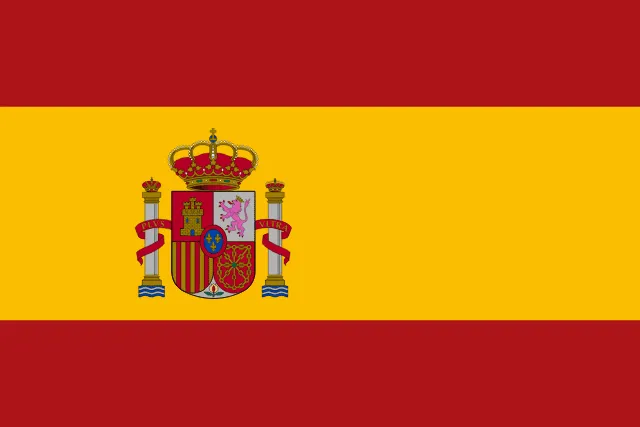
Spain has run a fully licensed national online gambling market under the DGOJ since 2012.
Spain is a mature, fully regulated online gambling market, not a grey zone, and that shapes how you enter it. To run an online casino legally you need a DGOJ general licence for the “otros juegos” (games of chance) category, plus a singular licence for each game type you offer, held by a company that meets Spanish technical and data rules. The catch that surprises most operators: general licences are granted only in periodic public tenders, and the last one closed years ago with no new window scheduled. So the fastest legal route into Spain is usually buying an existing licensed operator, not waiting for the regulator to open the door. Add one of Europe’s strictest advertising regimes and a gaming tax reported around 20% of GGR, and Spain rewards operators who plan the entry rather than improvise it.
Key facts (verify current rules with the DGOJ)
- Legal since: Law 13/2011 (Ley del Juego) regulated online gambling; the national market has been licensed since 2012.
- Regulator: Dirección General de Ordenación del Juego (DGOJ), within the Ministry of Consumer Affairs.
- Licence structure: a general licence per category (“otros juegos” for casino, “apuestas” for betting), valid ~10 years, plus singular licences per game type (~3 to 5 years).
- Market entry: general licences open only in periodic public tenders; the last window ran 2017 to 2018 and none is currently scheduled, so new entrants often acquire an existing licence holder.
- Advertising: Royal Decree 958/2020 restricts TV and radio ads to 1am to 5am and limits bonuses, celebrity ads and sponsorship; a 2024 Supreme Court ruling annulled parts, and the government is moving to reinstate them, so the rules are unsettled.
- Tax: reported around 20% of GGR on the mainland (10% in Ceuta and Melilla), with sources reporting a possible move toward 25%; verify the current rate.
This is editorial guidance, not legal advice; confirm current rules with the regulator and a licensed gaming lawyer.
Is online gambling legal in Spain?
Yes. Online gambling is legal and licensed in Spain under Law 13/2011, the national Gambling Act, which put the online market under a single state regulator from 2012. Casino games, poker, bingo and sports betting are all permitted for operators that hold the right DGOJ licences and meet Spanish technical standards. Regional governments handle land-based gambling, but nationwide online gambling is a state matter, which keeps the map simpler than a region-by-region patchwork. What you cannot do is serve Spanish players from an offshore Curaçao or Malta licence alone; without Spanish authorisation that is unlicensed, and the DGOJ blocks and sanctions it. Treat Spain as a licensed market you buy into, not one you can quietly reach from abroad, and verify the current rules first, since both tax and advertising have moved recently.
The DGOJ regulator and licence structure (general + singular)
The DGOJ is Spain’s single online gambling regulator, and its two-tier licence system is the first thing to understand. The Dirección General de Ordenación del Juego sits within the Ministry of Consumer Affairs (Ministerio de Consumo) and runs licensing, supervision and enforcement under Law 13/2011. First, a general licence covers a broad category: “otros juegos” for casino, poker and bingo games of chance, “apuestas” for betting, and “concursos” for contests. It runs about ten years and is renewable. Second, on top of each general licence you need singular licences, one per specific game type, for example roulette, slots (“máquinas de azar”), blackjack or live casino, each valid three to five years. You cannot hold one without the parent general licence, so the general licence is the gate. The regulator publishes its rules and licence registers on the official DGOJ site.
How to get a Spanish licence (steps, licensing windows)
Here is the hard truth: you usually cannot apply for a Spanish general licence on demand, because they are granted only in public tenders the government opens infrequently. Law 13/2011 requires general licences to be awarded through a public tender (“convocatoria”) initiated by the Ministry on the DGOJ’s recommendation, with at least 18 months between processes. The last window ran from December 2017 to December 2018, and at the time of writing no new one is scheduled. That single fact drives most Spain entry strategies. The practical steps:
- Decide your entry route. With tenders closed, the common route is to acquire a company that already holds the general and singular licences you need. Some operators prepare a full dossier so they are ready when a window opens.
- Incorporate and staff for Spain. Stand up a suitable corporate vehicle, the financial guarantees the regulator requires, and control systems accessible from Spain.
- Certify your platform and games. Games, RNG and platform must be tested and certified against DGOJ technical standards by an accredited lab before launch.
- Apply for singular licences. Once you hold a general licence, add singular licences for each game type you plan to offer.
- Connect to the control systems. Integrate with the DGOJ monitoring, the player registry and the RGIAJ self-exclusion register before you go live.
Model the licence path early. Our licensing guide frames how Spain compares with lighter regimes, and if you are weighing an offshore stepping stone while you wait, Curaçao vs MGA lays out the trade-offs. The workflow behind each step is in our how to launch an online casino pillar.
The strict advertising decree you must comply with
Spain runs one of Europe’s toughest gambling advertising regimes, and it is unsettled, so plan around the current position rather than last year’s. Royal Decree 958/2020, in force since 2020, restricted advertising hard: TV and radio ads only between 1am and 5am, a ban on welcome and sign-up bonuses for new customers, tight limits on celebrities and influencers, and a ban on sports sponsorship, including the shirt-front and stadium deals LaLiga clubs relied on. In 2024 the Supreme Court annulled several parts, including the bonus ban and the celebrity and influencer limits, saying they needed a stronger legal basis, and reported promotional spend climbed again. But the government has signalled it will reinstate the tighter rules through new legislation, and in 2026 the DGOJ ran a public consultation on fresh controls. Two things held constant: the 1am to 5am broadcast window and the ban on jersey and stadium sponsorship. For 2026, treat bonuses and influencer marketing as legally contested, shirt sponsorship as off the table, and the rules as liable to tighten again, so verify with counsel before you spend.
Cost and tax
The biggest cost driver in Spain is not the licence fee but the entry route, because buying an existing licence holder carries an acquisition premium. With tenders closed, operators frequently pay to acquire a Spanish-licensed company, and that dwarfs the statutory application fees. On top of it you fund a Spanish corporate structure, the regulator’s financial guarantees, accredited certification of your platform and games, a compliant payment and data setup, Spanish-language product and support, and marketing that works inside the advertising limits. Platform technology is the one predictable line: a white-label or turnkey deal fixes your build cost, and our white-label casino cost breakdown sets out the tiers. Before you commit, run your expected GGR through the break-even calculator to see whether the numbers clear. In Spain the cost is the moat as much as the obstacle.
Payments and localisation for Spain
Spanish players expect local payment methods and Spanish-language everything, so localisation here is deep, not cosmetic. Bank cards, bank transfers and popular local options such as Bizum, PayPal and Paysafecard are widely used, and every account is tied to a verified identity checked against the DNI or NIE national identity numbers. Verification is mandatory before withdrawal, and accounts must be screened against the RGIAJ, the state self-exclusion register, so a self-excluded player cannot open or use an account. Content and interface must be in Spanish (Castilian), games must carry Spanish certification rather than a generic EU approval, and support should be Spanish-language. Technical and control systems must be accessible to the regulator, with gaming data replicable in Spain. Get identity, self-exclusion screening and Spanish certification right first; they are licence conditions, not extras.
Taxes and ongoing obligations
Plan for a gaming tax reported around 20% of GGR on the Spanish mainland, plus continuous compliance duties. The tax falls on gross gaming revenue, that is stakes minus prizes paid; mainland operators have paid around 20%, with a reduced 10% rate for companies genuinely established in Ceuta and Melilla. Some 2026 sources report a move toward 25%, so confirm the rate for your launch year rather than assuming the historical figure, and add standard corporate taxes on top. Ongoing obligations are substantial: regular reporting to the DGOJ monitoring systems, AML and KYC duties, mandatory RGIAJ self-exclusion screening, responsible-gambling and deposit-limit tooling, data accessibility from Spain, and advertising that tracks the current rules. Singular licences renew on their three to five year cycle, the general licence on its ten-year cycle, so budget for a permanent local compliance function, not a one-off setup.
Risks and red flags ⚠️
The defining risk in Spain is assuming you can enter on demand or advertise freely; both assumptions are wrong. Watch these red flags:
- Assuming licences are available. General tenders are closed; if your plan depends on “just applying,” you have no plan. Budget for acquisition or a long wait.
- Relying on an offshore licence. A Curaçao or Malta licence does not authorise Spanish players; the DGOJ treats that as unlicensed and blocks it.
- Building on annulled ad rules. Bonus and influencer marketing is legally contested and the government is moving to re-restrict it; a bonus-led acquisition model can be pulled out from under you.
- Sponsorship plans. Football shirt and stadium sponsorship remains banned; do not budget for it.
- Weak identity and self-exclusion checks. Skipping DNI or NIE verification or RGIAJ screening is a licence breach, not an optimisation.
- Stale tax assumptions. The rate may be moving from 20% toward 25%; model both and verify before you sign.
Best platforms for the Spanish market
The right platform for Spain has EU regulatory pedigree, Spanish-market certification experience, and the vertical depth your product needs, whether you are casino-led, betting-led, or both.
- SoftSwiss is a strong fit for casino-led launches, with a large certified game catalogue and reported experience powering brands into the Spanish market, including the Betinia brand.
- Pragmatic Solutions is a strong fit for its PAM platform and EU and DGOJ compliance pedigree, which suits Spain’s certification and reporting demands.
- Digitain is a strong fit if you want a full stack across casino and sportsbook, with a footprint spanning European and Latin American markets.
- BetConstruct is a strong fit for operators who want casino and sportsbook in one integrated platform.
None of these hold Spanish licences on your behalf, and provider capability does not replace your own DGOJ authorisation; confirm each provider’s current Spanish certification directly. Compare them side by side on certification, payments and pricing in our provider comparison, and see how we score them in the methodology.
Frequently asked questions
Is online casino legal in Spain?
Yes, when the operator holds the right DGOJ licences. Online gambling has been regulated under Law 13/2011 since 2012, and casino, poker, bingo and betting are all permitted for licensed operators. Serving Spanish players from an offshore Curaçao or Malta licence alone is unlicensed. Verify the current position with the regulator.
How do I get an online casino licence in Spain?
You need a DGOJ general licence for the “otros juegos” category plus singular licences per game type. The catch: general licences are granted only in public tenders, and the last window ran from 2017 to 2018 with none currently scheduled. Because of that, many new entrants acquire an existing licensed company rather than apply fresh.
How much is the tax on online gambling in Spain?
The state gaming tax is charged on gross gaming revenue, stakes minus prizes. Mainland operators have paid around 20%, with a reduced 10% rate for companies genuinely established in Ceuta and Melilla. Some 2026 sources report a possible move toward 25%. Confirm the rate for your launch year with the regulator and a tax adviser.
Can I use bonuses and influencer ads to acquire Spanish players?
It is contested. Royal Decree 958/2020 banned welcome bonuses and restricted celebrity and influencer ads; a 2024 Supreme Court ruling annulled several of those parts, and the government has signalled it will reinstate them. Treat bonus-led and influencer-led acquisition as unsettled and check the live rules before building a campaign.
Do I need a Spanish company and local data to operate?
Yes, in practice. You need a suitable corporate vehicle, financial guarantees, accredited Spanish certification of your platform and games, and control systems accessible to the DGOJ with gaming data replicable in Spain. Accounts must be verified against DNI or NIE numbers and screened against the RGIAJ self-exclusion register before use.
Can I use my Malta or Curaçao licence for Spain?
No. An MGA or Curaçao licence does not authorise you to serve Spanish players; Spain requires its own DGOJ general and singular licences, and the regulator blocks unlicensed sites. An offshore licence can support other markets while you plan a Spanish entry, but it is not a substitute for Spanish authorisation.
Related
- How to launch an online casino
- White-label casino cost
- Break-even calculator
- Licensing guide
- Curaçao vs MGA
- Malta casino licence
- Provider comparison
- Launch a casino in Germany
- Launch a casino in the UK
This is editorial guidance, not legal advice; confirm current rules with the regulator and a licensed gaming lawyer.