Updated 2026-08-04 · Author: Michael Torres, iGaming Industry Analyst
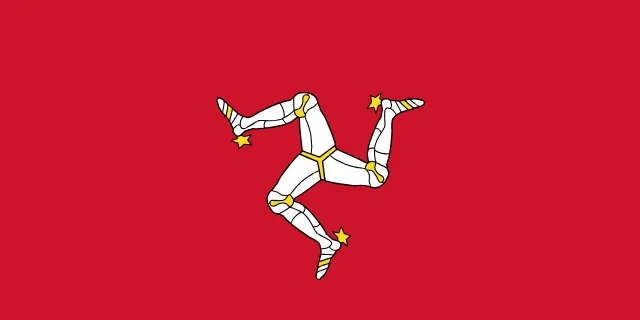 The Isle of Man is a self-governing British Crown Dependency, and its Gambling Supervision Commission has regulated online gambling since the OGRA came into force in 2001.
An Isle of Man casino license buys you something few jurisdictions can offer at once: a genuinely reputable regulator, one of the lowest gaming-duty schedules in the licensed world, 0% corporate tax for most companies, an early and workable crypto framework, and a sub-licence route that lets a smaller operator go live under an established Full Licence holder. You are not choosing the cheapest offshore paper, and you are not paying the full Malta compliance bill either. You are buying a mid-tier badge that banks and payment processors respect, on an island that keeps the tax take deliberately light. This guide covers the licence, its types, cost, timeline, markets, tax, crypto, and how it compares with Malta and Curaçao.
Key facts (verify current rules with the GSC)
- Regulator: the Isle of Man Gambling Supervision Commission (GSC), under the Online Gambling Regulation Act 2001 (OGRA). The Island is a British Crown Dependency, not part of the UK or the EU.
- Licence types: Full Licence (B2C and B2B), Sub-Licence (issued under a Full Licence holder), Network Services Licence, and Software / Token supplier licences. OGRA licences run for 5 years.
- Gaming duty: tiered by gross gaming yield (GGY), commonly cited at 1.5% on the first GBP 20m, 0.5% on the next GBP 20m, and 0.1% above GBP 40m.
- Corporate tax: 0% for most companies (banking and Manx land income are taxed higher).
- Fees: a Full Licence is commonly reported near GBP 35,000 to 37,000 a year plus an application fee around GBP 5,250; verify the live schedule.
- Timeline: the GSC often cites processing of a complete application in roughly 10 to 12 weeks; plan for four to six months end to end.
This is editorial guidance, not legal advice; confirm current rules with the regulator and a licensed gaming lawyer.
What is the Isle of Man licence?
The Isle of Man licence is an online gambling authorisation issued by the Gambling Supervision Commission under the Online Gambling Regulation Act 2001, and its value comes from the reputation of the jurisdiction behind it. The GSC is a long-standing statutory regulator, and the Island governs itself as a British Crown Dependency. That status is the part operators most often misread: the Isle of Man is not part of the United Kingdom and not part of the European Union, yet it sits inside the British Isles with a mature legal system, robust anti-money-laundering rules, and player-protection standards that read as serious to banks and processors.
That is what you are actually buying. The GSC runs a real fit-and-proper assessment of owners, directors, and key people, requires segregation of player funds, and holds enforcement powers. Against a pure offshore route, you accept genuine oversight and some local substance; against Malta, you get a lighter compliance load and a far lower tax base while still carrying a badge that opens banking conversations. If you want the wider jurisdiction roster and how we weigh licence fit, start with the licensing guide.
The licence types
OGRA is built around a Full Licence, with lighter Sub-Licence, Network Services, and supplier licences layered around it, and the Sub-Licence is the route most white-label operators actually use. Getting the structure right up front saves you from over-buying.
A Full Licence is the flagship. It authorises B2C activity (registering players, taking bets, running the casino) and B2B activity (supplying software and white labels), and it covers the full spread of verticals from RNG casino and live dealer through to sportsbook, bingo, and keno. It is also the licence that can grant sub-licences to other operators.
A Sub-Licence is granted to a smaller operator that runs exclusively under a Full Licence holder. It carries a reduced fee and ties the sub-licensee to its parent, which makes it the practical entry point for a white-label build: you inherit the parent’s regulated infrastructure and go live faster and cheaper than a standalone Full Licence allows. The Network Services Licence is the counterpart on the platform side, letting a holder accept players from partner brands and run shared jackpots across a network. Then there are supplier licences for Software providers and, distinctively, a Token (blockchain) software supplier licence for crypto-native systems. Our licensing guide unpacks how B2C and B2B credentials differ, which matters because a supplier holding an OGRA B2B licence gives you no operating right of your own.
Cost breakdown
Budget the licence fee plus an application fee, then add the corporate substance the GSC expects, and treat every figure below as a planning anchor to confirm with the regulator. The published fees are moderate for a reputable jurisdiction, and they are not the largest line in a real launch.
[TABLE: Isle of Man licence cost, 2026 planning figures]
| Licence type | Annual fee (reported) | Application fee | Notes |
|---|---|---|---|
| Full Licence (B2C + B2B) | ~GBP 35,000 to 37,000 | ~GBP 5,250 | Covers casino, live, sports, bingo; can sub-license |
| Sub-Licence | Reduced fee | Lower | Runs under a Full Licence holder |
| Network Services Licence | ~GBP 52,500 | ~GBP 5,250 | Accept partner players, manage jackpots |
| Software / Token supplier | ~GBP 52,500 | ~GBP 5,250 | B2B supply, including blockchain systems |
OGRA fees are widely reported in the ranges above, but the GSC amends its schedule, so verify the live numbers before you model anything. The bigger cost is off the fee sheet: incorporation, a compliance function, AML and KYC operations, and the local presence the Island expects. A Sub-Licence keeps that first-year bill materially lower than a Full Licence, which is exactly why it exists. Model the full picture in our white-label casino cost breakdown, then run your expected GGY through the break-even calculator.
Process and timeline
The GSC often cites processing a complete application in roughly 10 to 12 weeks once it formally accepts the file, but plan realistically for four to six months from structuring to launch readiness. The gap between those numbers is preparation: the clock the regulator quotes starts only when it confirms your application is complete, and getting there is where most of the calendar goes.
The sequence runs through incorporating a Manx entity, assembling the corporate and compliance file, and passing the fit-and-proper review of beneficial owners, directors, and key function holders. Expect to provide source-of-funds evidence, a business plan, financial projections, AML and responsible-gambling policies, and technical descriptions of the platform and RNG, with player balances protected through fund segregation. A Sub-Licence route can compress this, because you lean on a Full Licence holder’s established framework rather than standing up every control from scratch. Gaps in source-of-funds documentation or thin compliance policies are the usual reason a three-month grant becomes a six-month one, so file clean.
Which markets can you target?
An Isle of Man licence is a reputable .com base with strong standing in markets that recognise offshore-licensed operators, but it is not an automatic passport into the UK, the EU, or the US regulated markets. This is the same discipline every licence demands: model target countries one at a time.
Because the Island is a Crown Dependency and not an EU or UK jurisdiction, an OGRA licence does not by itself admit you to Great Britain (which requires a UK Gambling Commission licence) or to national EU regimes such as Germany, Spain, or Italy. Where it earns its keep is the wide field of markets that accept a well-regulated offshore operator, plus the credibility layer it adds with banks and tier-1 payment processors. The GSC badge reads as materially stronger than a bare offshore permit, which is the practical difference when a processor decides whether to onboard you. For operators who will eventually want a European footprint, an Isle of Man base pairs sensibly with a later Malta or Estonia application rather than replacing it.
Taxes and ongoing compliance
The Isle of Man’s tax case is the quiet reason operators shortlist it: gaming duty is charged on gross gaming yield at a tiered rate that starts low and falls as you scale, and corporate tax is 0% for most companies. That combination is rare in a jurisdiction that also carries a reputable badge.
Gaming duty is assessed on GGY (total stakes received minus winnings paid), not on net profit. The commonly cited bands run at 1.5% on the first GBP 20m of GGY, 0.5% on the next GBP 20m, and 0.1% above GBP 40m, so the effective rate falls as volume grows. On top of that, corporate income tax on the Island is 0% for most trading companies, with higher rates reserved for activities like banking and Manx land income. Verify both the duty bands and your company’s tax position with the regulator and a Manx tax adviser, because thresholds change. The low headline rates do not remove the compliance obligation: AML and KYC, player-fund protection, responsible-gambling controls, and reporting are all live duties, covered in the compliance stack guide.
Crypto and the Isle of Man advantage
The Isle of Man was one of the earliest movers on regulated crypto gambling, and that head start is a genuine differentiator against most reputable jurisdictions. It is widely reported as the first jurisdiction to license a blockchain-based gambling business and to regulate token-based software suppliers, which is why the licence menu includes a dedicated Token supplier category.
For an operator, the practical upside is that accepting cryptocurrency is a recognised, framed activity rather than a grey area you have to argue your way into. The GSC still expects a serious approach: your AML and CFT framework has to address digital-asset risk directly, including source-of-funds checks and on-chain monitoring, and crypto acceptance does not loosen the fit-and-proper bar. But the clarity is the point. A crypto-first product can be built with a regulator that already understands the model, which is very different from bolting crypto onto a framework that never anticipated it. If digital assets are core to your roadmap, this is one of the few reputable routes that treats them as a first-class case.
Pros and cons ⚠️
The Isle of Man trade is reputation and tax efficiency against genuine oversight and some local substance, and it lands as a mid-tier sweet spot rather than the cheapest or the most prestigious option.
Pros. A reputable Crown Dependency regulator that banks and processors respect. One of the lowest gaming-duty schedules in the licensed world, tiered so it falls as you scale. 0% corporate tax for most companies. An early, workable crypto and token framework. A Sub-Licence route that lets smaller operators go live faster and cheaper under a Full Licence holder.
Cons ⚠️. Not the rock-bottom cost of a pure offshore licence, and not an EU or UK market passport. Real fit-and-proper due diligence and compliance obligations to fund. Local substance expectations that a mailbox structure will not satisfy. Fee and duty figures that shift, so every number here needs confirming with the GSC before you budget.
Isle of Man vs Malta vs Curaçao
Malta buys EU standing at the highest cost, Curaçao buys speed and crypto-default acceptance at the lowest reputation, and the Isle of Man sits between them as the reputable, low-tax, crypto-aware middle. Picking between the three is a market-and-budget decision, not a quality ranking.
Take Malta when you need EU member-state credibility, tier-1 banking, and access to regulated European markets, and can fund the substance and higher tax that come with it; the detail is in the Malta casino license page. Take Curaçao when you want the fastest, cheapest reputable-enough route and a crypto-first product, accepting that it reads as entry-tier to conservative banks; see the Curaçao casino license breakdown and the head-to-head in Curaçao vs MGA. Take the Isle of Man when you want a badge that outranks a bare offshore permit, a lower tax base than Malta, and an established crypto framework, without the full EU compliance bill. It is a strong second licence for a crypto-led brand that has outgrown Curaçao but does not yet need Malta.
Platforms on an Isle of Man licence
If you are building on or near an OGRA stack, a handful of providers in our ranking fit the Island’s reputable, crypto-aware profile. SoftGamings is the most direct fit here, because its multi-jurisdiction footprint includes an Isle of Man (OGRA) presence alongside MGA and Curaçao, which suits an operator that wants a partner already inside the jurisdiction. SoftSwiss is the crypto-first choice, a natural match for the Island’s early token framework and a digital-asset-led launch. EveryMatrix brings enterprise-grade modular systems for a larger operator that wants casino and sportsbook under one architecture. BetConstruct rounds out the shortlist as a multi-regulator platform for an operator juggling several jurisdictions. Remember the distinction: a provider’s B2B licence proves the supplier is compliant, not that you are, so you still need your own operating authorisation. Compare the full field on the comparison page, and see how we score licensing footprint in our methodology.
Frequently asked questions
How much does an Isle of Man casino license cost?
A Full Licence is commonly reported around GBP 35,000 to 37,000 a year plus an application fee near GBP 5,250, while Network Services and supplier licences are cited higher, around GBP 52,500 a year. A Sub-Licence carries a reduced fee. These figures are set by the GSC and change, so confirm the current schedule before budgeting, and add incorporation, compliance, and local-substance costs that the fee sheet does not show.
What is the gaming duty on the Isle of Man?
Gaming duty is charged on gross gaming yield, not net profit, on a tiered schedule commonly cited at 1.5% on the first GBP 20m, 0.5% on the next GBP 20m, and 0.1% above GBP 40m. That makes it one of the lowest schedules in a reputable jurisdiction, and the effective rate falls as volume grows. Verify the live bands with the Gambling Supervision Commission.
Is the Isle of Man part of the UK or the EU?
Neither. The Isle of Man is a self-governing British Crown Dependency. It sits within the British Isles and shares deep ties with the UK, but it is not part of the United Kingdom and not a member of the European Union. That is why an OGRA licence does not admit you to the UK or EU regulated markets, which run their own regimes.
What is the Sub-Licence route, and who is it for?
A Sub-Licence is issued to a smaller operator that runs exclusively under an existing Full Licence holder. It costs less than a standalone Full Licence and lets you launch on the parent’s regulated infrastructure, which is why it is the common path for white-label and turnkey operators who want the Isle of Man badge without building every control from scratch.
Can I accept cryptocurrency on an Isle of Man licence?
Yes. The Isle of Man was an early regulator of crypto gambling and offers a dedicated token-based software supplier licence, so accepting cryptocurrency is a framed, recognised activity. Your AML and CFT controls must address digital-asset risk directly, including source-of-funds and on-chain monitoring, but the framework is clearer than in most reputable jurisdictions.
How long does an Isle of Man licence take to get?
The GSC often cites processing a complete application in roughly 10 to 12 weeks from the point it accepts the file, but plan for four to six months end to end once you account for incorporation, document preparation, and the fit-and-proper review. A clean file with solid source-of-funds evidence moves fastest.
Related
- Licensing guide: the full jurisdiction roster and how to verify a provider’s licence
- Malta casino license and Curaçao casino license: the premium and offshore alternatives
- Estonia casino license: another reputable European route to weigh alongside the Island
- Curaçao vs MGA: the head-to-head that frames the offshore-versus-EU call
- Compliance stack: the AML, KYC, and reporting machinery every licence expects you to fund
- Comparison and methodology: the full provider field and how we score licensing
This is editorial guidance, not legal advice; confirm current rules with the regulator and a licensed gaming lawyer. This site may earn referral commissions from provider links, disclosed transparently per FTC guidelines. No providers paid for placement or ranking.